
In Favour Of Slow Travel
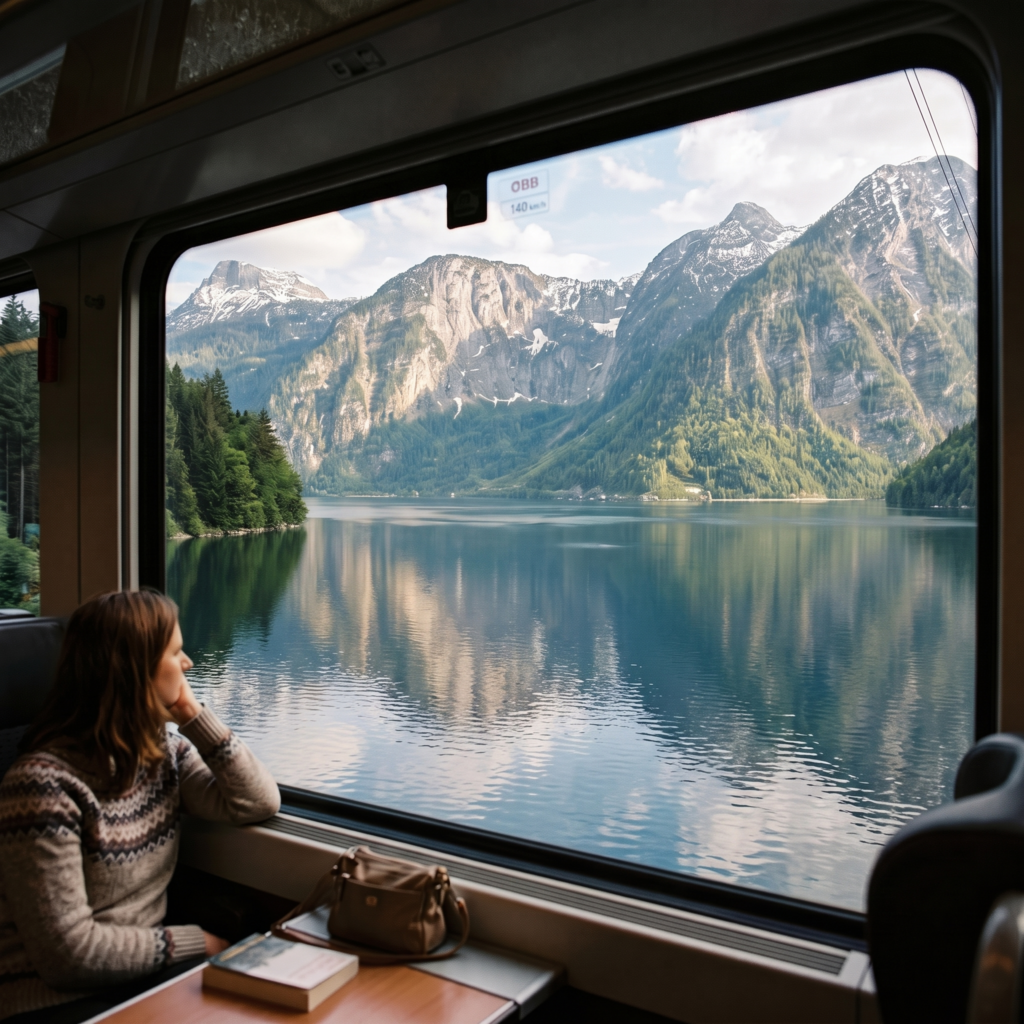
Slow travel. Ever heard of it? You’re not alone if you haven’t, but it’s something worth getting familiar with. This isn’t just about hopping from one scenic spot to another like you’re an instagrammer on a whirlwind tour. No loud alarms sounding reminding you to catch the next train to the next big sight. Instead, it’s about ditching the hectic checklist that fills your day and getting to know a place on a deeper level. Think of it as giving yourself the luxury to truly absorb a new culture and environment. It’s like becoming part of the rhythm of the place rather than just passing through.
Unlike those jam-packed vacations, slow travel places the spotlight on meaningful encounters. It focuses on the quality of your experiences over the quantity. You get a chance to soak up the local way of life. You savor every moment rather than just ticking something off a bucket list. Picture sitting in a family-owned cafe, learning the stories behind those pockets of the world that don’t make it to the travel brochures.
Cultural immersion is the real goal here, and sustainability plays an equally crucial role. When you’re moving at a more relaxed pace, you’re less likely to leave a huge carbon footprint behind. Think about connecting with nature, choosing eco-friendly lodgings or homestays and making responsible travel choices that make the world a bit kinder.
To top it off, being mindful and present is the cherry on this travel sundae. You’re living in the moment, soaking in every detail, every aroma, every smile. For anyone who’s ventured into the world of slow travel, the stories they share aren’t just of places seen, but lives touched and experiences savoured. It’s living memories, not just images in an Instagram feed.
The Necessity of Slow Travel: Why We Need to Take It Slow
In the rush of modern travel, where postcards and social media posts become memory lists, there’s a pressing need to hit the brakes and actually breathe in the journey. Enter slow travel—a breath of fresh air for both planet earth and the soul. Sure, zipping off to the next big attraction seems appealing until you consider the ecological mark you’re leaving behind. Slow travel, on the other hand, is like giving Mother Nature a hug. By reducing the planes, trains, and automobiles in your itinerary, your carbon footprint gets a serious trim. And trust me, nature says thank you.
Our bank accounts aren’t complaining either. When travellers opt for slow travel, there’s a direct boost to local economies. Spending time and money in small businesses keeps the local cash economies going and runs miles in promoting cultural exchanges. Maybe it’s finding a unique handcrafted souvenir or indulging in a delicious meal at a local bistro—every interaction supports the community.
Slow travel is like a mindfulness retreat without the price tag, leaving you mentally richer. It invites travelers to forge real connections with their destinations and even themselves. Instead of breezing past faces and places, you’re forming genuine relationships, sharing stories, and maybe picking up a phrase or two in the local dialect.
Cultural exchanges, my friend, are not one-sided. The chance to understand and participate in the daily life of a place changes your perspectives. You’re not just taking memories but leaving a part of your own story behind, an exchange of good vibes and new friendships that endure long past the travel itself. Less rush, less planning, more experiencing. Slow travel enriches in ways you might not even see until you’re looking back, realizing you remember every name, taste, and moment.
Practical Tips for Embracing Slow Travel
Making the switch from fast-paced globo-trotting to slow travel might seem daunting, but trust me, it’s a rewarding change. Start by swapping out planes for trains or buses. Public transport not only cuts down on emissions but offers a slice of daily life you wouldn’t experience at 30,000 feet. It’s your backstage pass to the local rhythm, and maybe a conversation or two with fellow passengers.
When it comes to dining, go local. Skip the global chains and dive into the local food scene. Whether it’s browsing through farmers’ markets or dining at family-run bistros, there’s a whole world of flavours that tell you a lot about the culture. For me, this is the best part of travel. You’re not just feeding yourself, you’re nourishing the local economy too. Plus, who doesn’t appreciate a meal cooked with love by someone who knows the recipe by heart? One random memory I have is of a fellow Brit ordering a steak pie and chips in a beach hotel in Goa when I was waiting on my Goan Fish Curry. If he wanted steak pie, he could have saved money and stayed local to home!
Ever noticed how sticking to strict itineraries leaves you too exhausted to meet anyone new? Try to shake things up a bit. By being flexible and present, you’re more likely to engage with locals, whether it’s a friendly chat with your Airbnb host or bonding over a shared love for a local band at a pub. Don’t worry if things don’t go to plan; surprises often make the best stories!
Instead of a checklist teeming with must-see spots, go for experiences. Whether it’s learning traditional crafts or attending a local festival, these moments leave richer imprints. Experiences don’t expire; they’re stories to tell. When you slow down, you appreciate the magic of every little interaction, every ray of light casting patterns on city streets. By prioritizing experiences, you let your travels speak more about your interactions than its itinerary.
Future Implications: What Does Slow Travel Mean for the Tourism Industry?
With more and more travellers craving meaningful connections over ticking boxes, slow travel looks set to redefine the future of tourism. It’s not a fleeting trend; it’s an approach that reflects a changing traveler mindset focused on authenticity and sustainability. People are finding airports too stressful with all the changes and don’t get me started on passing through security in airports, its a drama in itself. As demand shifts, businesses within the tourism industry need to align with these evolving expectations or risk being left in the dust.
Travel agencies and destinations that once thrived on packing itineraries are now exploring ways to integrate slower and more immersive experiences into their offerings. This approach invites travellers to stick around longer in smaller towns or less-visited areas, spreading tourism benefits beyond well-trodden paths. Sustainable practices become integral rather than optional.
Enhanced focus on local engagement and environmental awareness means tourism companies must adapt and rethink their offerings. Eco-friendly practices aren’t just a good look but are rapidly becoming a necessity. By reducing waste and energy usage, businesses can attract eco-conscious travelers keen on making a positive impact during their stay.
With travellers choosing experiences over souvenirs, community-based tourism projects gain traction. These initiatives support cultural preservation and environmental protection, paving the way for a tourism industry that provides more than just a photo opportunity. By cultivating deeper connections and fostering sustainability, slow travel offers a glimpse into a future where tourism contributes positively to the world. But I never forget to buy my fridge magnet wherever I go!
Slow travel’s rise suggests a transformative shift toward more responsible and mindful tourism. It challenges the industry to be more creative and inclusive, ensuring that travel remains an enriching and nurturing experience for generations to come, where every trip is a chance to leave a positive mark.